

Whether you are new to contact lenses or already wear them every day, the right fit can make a major difference in comfort and vision. At Peak Vision Care in Newtonville, MA, we provide contact lens exams and fittings based on your prescription, eye health, lifestyle, and daily visual needs.
During your visit, Dr. Denis Shlosman will evaluate your vision, examine the health of your eyes, and assess the fit and movement of your lenses. We will discuss the available contact lens options and help determine which type is most suitable for your eyes and routine.
We offer contact lens services including:
- Contact lens exams and prescription updates
- Personalized fittings based on comfort, vision, and lifestyle
- Daily, two-week, monthly, toric, and multifocal lens options
- Fit and comfort evaluation for current contact lens wearers
- Insertion, removal, and care guidance for first-time wearers
Why Contact Lenses Require a Separate Fitting
A glasses prescription alone is not enough to order contact lenses. Contact lenses sit directly on the eye, so their size, shape, material, and movement must be evaluated carefully.
Dr. Shlosman checks how the lenses align with your eyes, how they move when you blink, and whether they provide stable vision and comfortable wear. If needed, trial lenses may be used before the final contact lens prescription is issued.

New Contact Lens Wearers
Trying contact lenses for the first time can feel intimidating, but we guide you through every step. You will learn how to insert and remove your lenses, clean and store them when needed, and follow a safe wearing schedule.
We also explain how to recognize signs of irritation and when to remove your lenses or contact the office. The goal is to help you feel confident before wearing contact lenses on your own.
Contact Lens Prescription Updates
If you already wear contact lenses and need an updated prescription, please come to your appointment wearing your current lenses. This allows Dr. Shlosman to evaluate how they sit and move on your eyes, as well as your vision and comfort while wearing them.
Please also bring your contact lens packaging or prescription information, if available. Based on the evaluation, Dr. Shlosman may recommend continuing with your current lenses or trying a different material, design, or replacement schedule.
Glasses Prescription vs. Contact Lens Prescription
A glasses prescription and a contact lens prescription are not the same. Glasses sit in front of your eyes, while contact lenses rest directly on the eye. Contact lenses require additional measurements and a fitting to determine the proper lens size, shape, material, and design.
Glasses
Benefits:
- Easy to put on and remove
- Require less daily maintenance
- Do not touch the surface of the eye
- Available in many frame and lens styles
- Can provide comfortable all-day vision
Considerations:
- Frames may affect peripheral vision
- Lenses can fog, collect rain, or become scratched
- May be less convenient for sports and physical activity
Contact Lenses
Benefits:
- Provide a wider, more natural field of vision
- Move with your eyes
- Convenient for sports and active lifestyles
- Do not fog or interfere with your appearance
- Available for astigmatism, presbyopia, and many prescriptions
Considerations:
- Require proper cleaning, handling, and replacement
- May become uncomfortable with dryness or extended wear
- Require a separate contact lens exam and fitting
- Are not suitable for every patient or every eye condition
Many patients use both contact lenses and glasses, choosing between them based on comfort, activities, and daily needs.
Contact Lens Comfort and Dry Eye
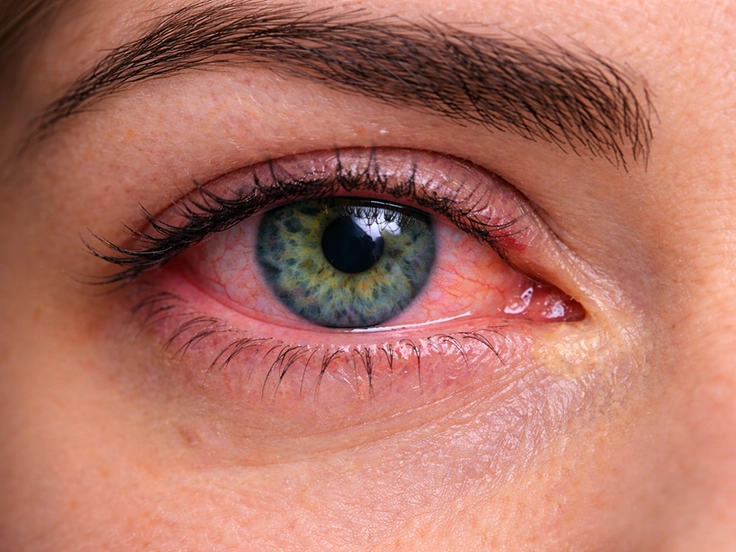
Contact lenses should remain comfortable throughout the day. If your eyes feel dry, irritated, or red, or your lenses become uncomfortable after a few hours, the problem may be related to the lens material, fit, wearing schedule, or tear film.
Dr. Shlosman can evaluate your eyes and current lenses to determine what may be causing the discomfort. A different lens type, replacement schedule, or dry eye treatment plan may help improve comfort and wearing time.
Ready for Dry Eye Relief?
Persistent contact lens discomfort may be a sign of dry eye or meibomian gland dysfunction. Learn more about our evaluation process and available treatment options.
Contact Lens FAQs
?Yes. A regular eye exam checks your vision and overall eye health, but contact lenses also require a fitting. Dr. Shlosman evaluates how the lenses sit and move on your eyes, checks your vision through them, and provides instructions for safe wear and care.
?Yes, if you already wear contact lenses. Come to the appointment wearing your current lenses so Dr. Shlosman can evaluate their fit, movement, comfort, and vision. Bring your lens packaging or current prescription information if available.
?Yes. Toric contact lenses are designed to correct many types of astigmatism. The right option depends on your prescription, corneal shape, eye health, and how the lenses fit.
?Yes. Multifocal contact lenses can help patients who need correction for both near and distance vision. Dr. Shlosman can determine whether multifocal lenses or another option would work best for your visual needs.
?It is safer to have your eyes and lens fit checked before ordering if your last exam was two years ago.
?Not always. The expiration period depends on state requirements and the doctor’s medical judgment. Some prescriptions are valid for one year and others for two years. Check the expiration date printed on your prescription.
?Daily lenses must be discarded after one use, while two-week or monthly lenses must be replaced on schedule. A monthly lens should not be stretched to two months, even if it still feels comfortable.
?It is best to remove your contacts before sleeping or napping. Sleeping in daily-wear lenses increases the risk of irritation and serious eye infection.
?There is no single maximum prescription that applies to everyone. Available powers vary by lens brand and type, and the right option also depends on astigmatism, corneal shape, eye health, and lens fit. Patients with higher or more complex prescriptions may need specialty soft, rigid gas-permeable, or scleral lenses.
?Discomfort may be related to dryness, the lens material or fit, extended wearing time, environmental conditions, or your replacement schedule. Contact lens-compatible artificial tears may help with mild dryness.
If discomfort happens often, or you develop redness, pain, discharge, or changes in vision, remove the lenses and contact the office for an evaluation.
?Your contact lens prescription should be reviewed every 12 to 24 months. Schedule an earlier appointment if your vision changes or your lenses become uncomfortable, cause redness, or irritate your eyes.
?Yes. Many children and teenagers can wear contact lenses safely when they are responsible enough to follow proper handling, cleaning, and replacement instructions. Readiness depends on the child, prescription, eye health, and ability to care for the lenses correctly.
?The time depends on whether you already wear contacts, need trial lenses, or are learning to insert and remove them for the first time. A fitting may be completed during your exam, but new wearers may need additional time and a follow-up visit.
?Yes. Once your contact lens prescription and fitting are complete, you can order your prescribed lenses through our office. Our team can help you select the correct brand, quantity, and replacement schedule.
Ready for More Comfortable Contacts?
Whether you need your first fitting, an updated prescription, or help with lenses that no longer feel comfortable, Dr. Shlosman can evaluate your vision, eye health, and current lenses to recommend the right option for you.
SCHEDULE A CONTACT LENS EXAM